
Your garage door opener is more than just a motor; it is a sophisticated piece of technology designed with self-diagnostic capabilities. When you notice your Garage Door Opener Flashing, it isn’t just an annoying blinking light—it is your system’s way of communicating a specific internal error or safety concern. By understanding these signals, you can determine whether you are facing a simple settings adjustment or a complex mechanical failure.
At Garage Door On, we believe that an informed homeowner is a safe homeowner. Decoding these flashes can save you time and prevent you from attempting dangerous repairs on your own. This guide will walk you through the most common reasons for a blinking opener, how to interpret the diagnostic codes, and when it is essential to call for professional assistance.
The Lock Feature or Safety Vacation Mode is Active
One of the most frequent reasons for a Garage Door Opener Flashing is actually a built-in security feature rather than a mechanical break. Most modern wall consoles include a “Lock” or “Vacation” button. When this is engaged, the remote controls are deactivated to prevent unauthorized entry, and the main light on the motor unit will often blink to alert you of this state.
How to Resolve a Safety Lock Issue
If you find that your wall button works but your remotes do not, and the light is blinking, check the wall console first. Look for a button with a lock icon or a slide switch. Hold the lock button for a few seconds until the flashing stops or the indicator light changes color. Once disengaged, your remotes should return to normal operation. If the light continues to flash after this reset, the issue likely lies deeper within the electronics.

Obstructions or Alignment Issues with Safety Sensors
The safety reversal system is the most critical safety feature of your garage. If your opener flashes ten times while the door refuses to close, the problem is almost certainly related to the photo-eye sensors located at the base of your door tracks.
Aligning and Clearing Sensors
The sensors send an invisible beam across the opening. If this beam is interrupted, the door will not descend.
-
Physical Blockages: Check for trash cans, cobwebs, or even blades of grass that might be blocking the lens.
-
Dirty Lenses: Florida’s dust and humidity can create a film over the sensor eyes. Gently wipe them with a clean, soft cloth.
-
Misalignment: If the brackets have been bumped by a trash can or a car tire, the sensors may be pointing away from each other. Adjust them until the LED lights on both sensors stay solid (usually one green and one amber/yellow).
If the Garage Door Opener Flashing persists even when the sensors appear aligned and clear, there may be a hairline fracture in the sensor wiring that requires a professional diagnostic tool to locate.
Engaged Manual or Mechanical Locks
While the opener has an electronic lock, many garage doors also feature physical, manual locks like slide bolts or T-handles. If you accidentally engage a manual lock and then try to operate the opener, the motor will detect excessive resistance, stop immediately, and begin flashing to prevent the motor from burning out or the door from buckling.
Checking Physical Hardware
Before assuming the motor is faulty, walk to the inside of your garage and ensure that no manual slide bolts are pushed into the tracks. If you have a handle on the outside with a keyhole, ensure it is in the unlocked position. Attempting to force the door open against a mechanical lock can snap your garage door cables or bend the top panel of your door, leading to expensive structural repairs.
Complex Circuitry and Internal Wiring Failures
If you have ruled out the lock mode, sensors, and physical obstructions, your Garage Door Opener Flashing may indicate an electrical fault. This could range from a short in the wall station wire to a failure in the logic board itself.
The Risks of DIY Electrical Repair
Garage door openers operate on high-voltage circuits and are connected to high-tension mechanical parts. Attempting to repair internal wiring or logic boards without proper training carries a significant risk of electrocution or permanent damage to the motor. If the flashing follows a power surge or a heavy lightning storm, the logic board may have been “fried” and will likely need a professional replacement to restore the safety and security of your home.
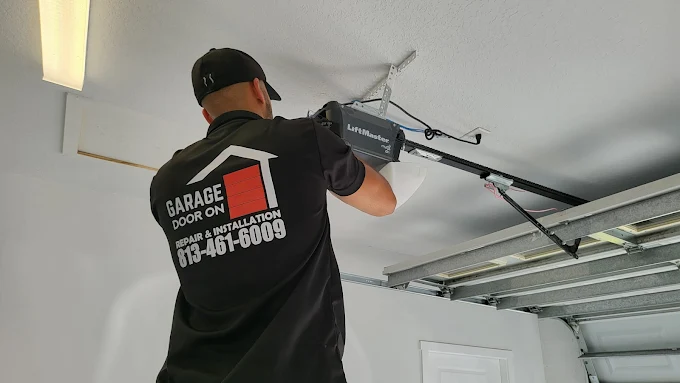
Understanding Diagnostic Blink Codes
Most major brands, such as LiftMaster, Chamberlain, and Craftsman, use a standardized system of blink codes to help technicians (and homeowners) identify the root cause. You can usually find the “Learn” button or a small LED indicator on the back or side of the motor unit to see these sequences.
| Number of Flashes | Common Diagnostic Meaning |
| 1 Flash | Sensor wire is disconnected, broken, or open. |
| 2 Flashes | Sensor wire is shorted or the black/white wires are reversed. |
| 3 Flashes | The wall control or its wiring is shorted. |
| 4 Flashes | The safety sensors are slightly misaligned or obstructed. |
| 5 Flashes | The motor is overheated or there is an RPM sensor failure. |
| 6 Flashes | Internal motor circuit failure (often requires board replacement). |
Frequently Asked Questions
Why is my garage door light flashing but the door still moves?
In some models, this indicates that it is time for routine maintenance or that the backup battery is low. It is a “service due” reminder rather than a critical error.
What does it mean if my wall button is blinking but the motor isn’t?
This almost always means the “Lock” feature is engaged on the wall console. Hold the lock button for three to five seconds to reset it.
Why are my sensors showing a red light?
A red or blinking light on the sensor typically means they are out of alignment or the receiving sensor cannot “see” the sending sensor. Check for dirt on the lens or a bent bracket.
Can a power outage cause the opener to start flashing?
Yes. When power is restored, some openers run a self-test. If the light continues to flash, you may need to cycle the door manually once to reset the “home” position, or the power surge may have affected the logic board.
Professional Assistance for Flashing Opener Issues
While some causes of a Garage Door Opener Flashing are easy for a homeowner to fix, electrical issues and sensor wiring can be incredibly frustrating to troubleshoot without the right equipment. If your opener continues to blink and the door remains inoperable, it is time to call in the experts.
At Garage Door On, our technicians are experts in decoding manufacturer-specific error signals. We carry a full range of replacement sensors, logic boards, and wall consoles to get your door back in working order quickly and safely. Don’t risk damaging your motor or compromising your home security—contact Garage Door On today for a comprehensive diagnostic and repair service.

