
The garage door is often the largest and heaviest moving object in a home. For many families, it serves as the primary entrance, opening and closing multiple times a day. Because of its frequent use and massive size, we often take its operation for granted. However, a garage door system involves high-tension springs, heavy cables, and powerful electric motors. If not respected and maintained properly, it can pose significant risks to people, pets, and property.
At Garage Door On, we believe that an informed homeowner is a safe homeowner. Prioritizing overhead garage door safety is not just about preventing accidents; it is about ensuring the longevity of your investment and the security of your household. This guide covers the critical hazards to be aware of, the safety features you must maintain, and the best practices for daily operation.

Overhead Door Hazards
To understand safety, one must first understand the potential dangers. A garage door system is perfectly safe when functioning correctly, but wear and tear can turn specific components into hazards. Identifying these issues early is key to accident prevention.
1. Broken or Worn Springs
The torsion or extension springs are the muscles of your garage door. They are under an immense amount of tension to counterbalance the weight of the door. When a spring breaks, it releases that energy in a split second. A snapping spring can sound like a gunshot and can cause severe injury if anyone is nearby. Never attempt to adjust or repair a garage door spring yourself; this is a job strictly for trained professionals with the proper tools.
2. Worn or Frayed Cables
The lift cables work in tandem with the springs. Over time, moisture and friction can cause these steel cables to fray or rust. If a cable snaps while the door is in the open or moving position, the door can fall unevenly or crash to the floor. Regular visual inspections are necessary to catch fraying before a failure occurs.
3. Malfunctioning Safety Sensors
Since the early 1990s, garage door openers have been required to have safety sensors (photo-eyes). These sensors create an invisible beam across the bottom of the door opening. If the beam is broken, the door should stop and reverse. If these sensors are misaligned or damaged, the door may close on an obstruction, a pet, or a person, creating a crushing hazard.
4. Manual Release Misuse
Every automatic opener has a red emergency release cord. This is designed to disconnect the door from the motor during a power outage so you can open it manually. However, using this cord incorrectly can be dangerous. If you pull the release cord while the door is open and the springs are broken or weak, the door will have no support and will crash down instantly. Always attempt to use the manual release only when the door is fully closed.
Garage Door Safety Tips:
Creating a safe environment starts with how your family interacts with the door system. Establishing clear rules and habits can prevent the majority of garage door accidents.
-
Control Panel Placement: Install the wall-mounted push button at least five feet above the floor. This places it out of reach of small children, preventing them from playing with the door.
-
Visibility: The control button should be placed in a location where you have a clear, unobstructed view of the garage door. Never push the button and walk away; watch the door until it is fully closed to ensure no one slips under it at the last second.
-
Education: Teach children that the garage door is not a toy. They should not run under a moving door or play “beat the door.”
-
Hand Safety: Never place fingers between the door sections. As the door moves, the panels fold, creating pinch points that can cause severe injury. If you have a manual door, only use the designated lift handles.

Entrapment Devices and Reversal Tests
Modern garage door openers are equipped with two primary safety reversal systems: the non-contact photo-eyes and the contact reversal mechanism. Testing these entrapment devices regularly is a non-negotiable part of home safety.
The Non-Contact Test:
While the door is closing, wave a long object (like a broom handle) through the sensor beam near the floor. The door should immediately stop and reverse to the open position. If the door continues to close, the sensors may be misaligned or dirty.
The Contact Reversal Test:
Place a solid object, such as a 2×4 piece of wood, flat on the floor in the center of the door opening. Close the door using the remote or wall button. When the door touches the wood, it should automatically reverse direction and open. If the door rests on the wood or stops without reversing, the force settings on your opener require adjustment by a professional.
Regular maintenance and testing
A well-maintained door is a safe door. Implementing a schedule for inspection can catch small issues before they become dangerous liabilities.
1 Maintenance Practices and Intervals
Monthly:
Perform a visual inspection. Stand inside the garage with the door closed and look over the springs, cables, rollers, and pulleys. Look for signs of wear, rust, or loose hardware. Perform the balance test: disconnect the opener (with the door closed) and lift the door manually by hand. It should lift smoothly and stay open around three to four feet above the floor. If it slams down, the springs are out of balance.
Quarterly:
Lubricate the moving parts. Use a non-silicone-based garage door lubricant on the rollers, hinges, and springs. Do not use grease, as it attracts dirt and grit.
Annually:
Schedule a professional tune-up. A technician can tighten hardware, adjust spring tension, and check the internal gears of the opener motor.
2: Documentation & Reporting
Keep a log of your garage door maintenance. Save your owner’s manuals for both the door and the opener in a safe place. When you have professional service performed, keep the invoices and notes from the technician. This documentation is valuable for warranty claims and can be a selling point if you list your home, showing that the mechanical systems have been cared for.
Garage Door Security:
Safety also encompasses security. The garage is a common entry point for intruders, so securing the door is vital for protecting your home.
-
Vacation Locks: Most wall consoles have a “lock” button (sometimes called vacation mode). When engaged, this prevents the remote controls from opening the door. Use this whenever you are away for an extended period.
-
Rolling Code Technology: Ensure your opener uses rolling code technology. This changes the access code every time you use the remote, preventing thieves from grabbing your code with a radio scanner.
-
Remote Control Storage: Treat your garage door remote like a house key. Do not leave it clipped to the visor in your car, especially if you park in the driveway. A thief can break the car window, grab the remote, and gain access to your home. Consider using a keychain remote that comes with you.
-
Smart Features: Modern openers allow you to monitor your door via a smartphone app. You can receive alerts if the door is opened unexpectedly and close it remotely if you forgot.
Professional installation and repairs
While some maintenance tasks like lubrication and sensor cleaning are DIY-friendly, the heavy lifting should be left to the experts.
Do Not DIY High-Tension Parts:
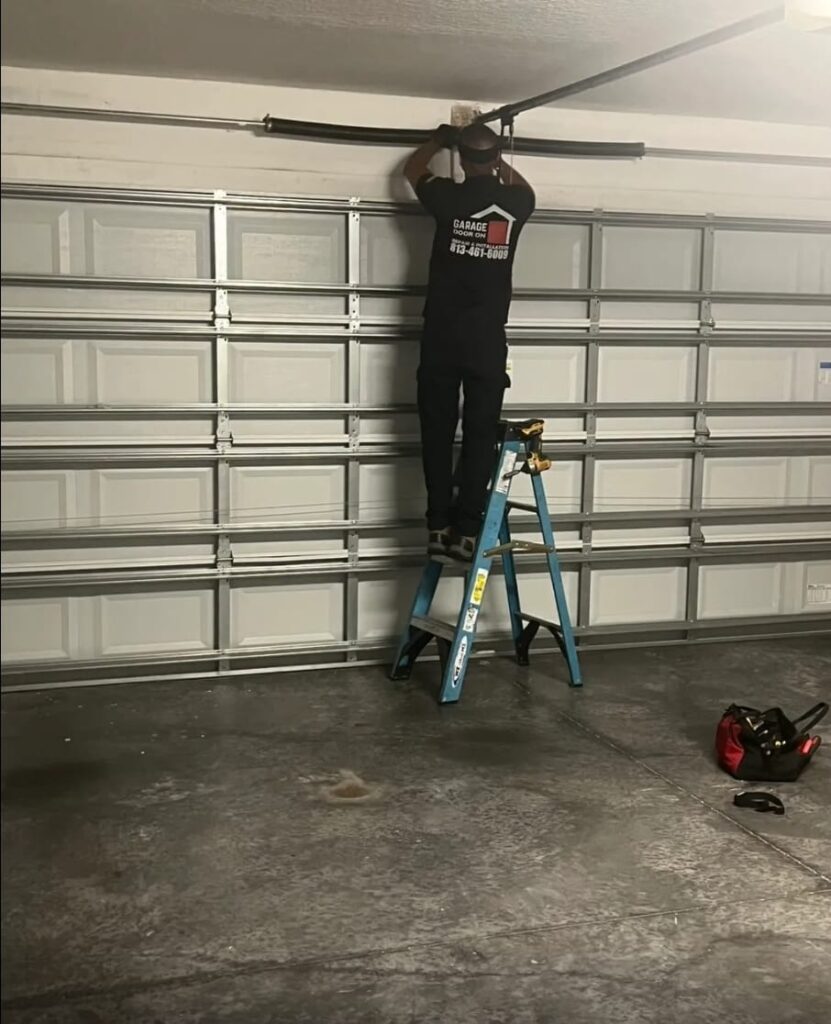
Never attempt to repair, adjust, or remove the springs, the cables, or the bottom brackets of the door. These parts are under extreme tension. A mistake here can result in property damage or life-threatening injury.
Safe operation and usage:
If your door is making grinding noises, moving unevenly, or shaking during operation, stop using it immediately. Continuing to operate a compromised door can cause it to come off the tracks. Unplug the opener and call a professional technician.
At Garage Door On, our technicians are trained to identify hidden hazards and perform repairs according to the highest safety standards. Whether you need a safety inspection, a spring replacement, or a new opener with advanced security features, we are here to ensure your garage door remains a convenience, not a danger.
