
Florida is famous for its endless summer, beautiful beaches, and vibrant lifestyle. However, living in the Sunshine State means dealing with relentless heat and humidity. While we often focus on how this weather impacts our air conditioning bills or our cars, we frequently overlook the largest moving part of our home: the garage door.
Your garage door is the first line of defense against the elements. It faces direct sunlight, high UV radiation, and stifling humidity day in and day out. Understanding how extreme Florida heat affects garage doors is crucial for maintaining the longevity of your system and ensuring your home remains secure and energy-efficient. This guide explores the specific challenges posed by our tropical climate and offers practical solutions to protect your investment.
Understanding Florida’s Extreme Heat
In the peak of summer, surface temperatures on a garage door can soar well above 150 degrees Fahrenheit. This intense thermal load does more than just make the door hot to the touch; it changes the physical properties of the materials. Metal expands, wood swells, and electronics can overheat.
Furthermore, Florida’s heat is rarely dry. The high humidity levels introduce moisture into every crevice of your garage door system. This combination of heat and moisture creates a harsh environment that accelerates wear and tear, rust, and mechanical failure.

Weather Effects on Different Garage Door Materials
Not all garage doors are created equal when it comes to battling the sun. The material you choose plays a significant role in how well your door withstands the Florida climate.
Steel Garage Doors
Steel is the most popular choice due to its durability and strength. However, metal is a conductor. In direct sunlight, a non-insulated steel door acts like a radiator, transferring outside heat directly into your garage. This thermal expansion can sometimes cause the metal panels to warp or bow slightly, leading to a door that sticks or binds in the tracks.
Wood Garage Doors
While undeniably beautiful, wood is a living material. The intense fluctuations in humidity and temperature can cause wood fibers to swell and contract. Over time, this leads to warping, cracking, and rotting. In Florida, a wood door requires significant maintenance (staining and sealing) to prevent the sun from drying out the natural oils and turning the wood brittle.
Aluminum Garage Doors
Aluminum is lightweight and naturally resistant to rust, making it a favorite for coastal homes. However, like steel, it conducts heat efficiently. Aluminum is also softer than steel, making it slightly more prone to dents if hit by debris during a summer storm.
Vinyl Garage Doors
Vinyl is engineered to be tough. It resists salt air, humidity, and rot. However, darker colors of vinyl can absorb massive amounts of heat, which may cause the material to sag or bow over time. UV stabilizers are essential to prevent the color from fading or yellowing under the intense UV rays.
Harmful UV Rays
The sun doesn’t just heat things up; it bombards them with ultraviolet (UV) radiation. This is particularly damaging to the finish of your garage door.
-
Fading: Paint and stains can fade rapidly, leaving your door looking old and patchy.
-
Degradation: Plastic components, such as window inserts or decorative trim, can become brittle and crack after prolonged UV exposure.
-
Seal Damage: The weatherstripping around your door is made of rubber or vinyl. UV rays dry out these seals, causing them to crack and crumble, which compromises your garage’s insulation and allows pests to enter.
The Impact of Heat on Garage Door Components
It is not just the door panels that suffer; the internal mechanisms are also vulnerable.
How Florida Weather Affects Your Internal Garage Door Components:
-
Springs: Metal expands when hot. While this expansion is microscopic, it can affect the tension of your torsion or extension springs. Over time, the cycle of heating and cooling fatigues the metal, potentially leading to premature spring failure.
-
Lubrication: Grease and oil thin out in high heat. If you use the wrong type of lubricant, it can drip off the rollers and hinges, leaving metal parts unprotected and grinding against each other.
-
Electronics: Your garage door opener is a computer. The logic board and sensors have operating temperature limits. If your garage becomes an oven, the electronics can overheat, causing the opener to act erratically or shut down completely to protect itself.
The Impact of Humidity:
High humidity promotes rust on springs, cables, and tracks. It also causes wood framing to swell, which can throw the door tracks out of alignment, making the door difficult to open.
The Benefits of Insulated Garage Doors
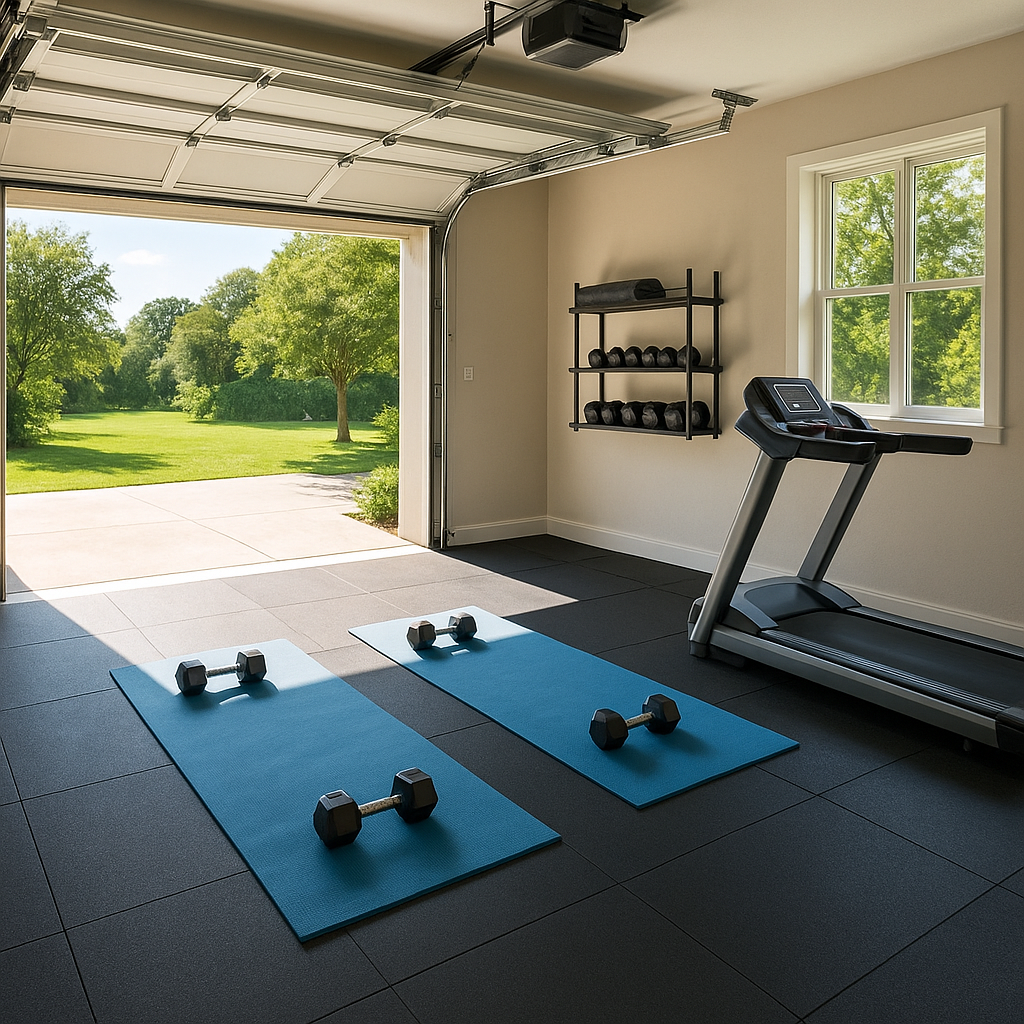
One of the best defenses against Florida’s climate is insulation. An insulated garage door features a core of polystyrene or polyurethane foam sandwiched between steel layers.
-
Thermal Barrier: Insulation significantly reduces heat transfer, keeping your garage 10-20 degrees cooler than the outside temperature.
-
Structural Integrity: The “sandwich” construction makes the door more rigid and durable, resisting warping from heat and wind.
-
Energy Savings: A cooler garage reduces the heat load on your home, especially if you have living space above the garage, leading to lower air conditioning bills.
Tips to Maintain Your Garage Door During the Hot Season
How to Prevent Garage Door Damage Due to High Temperatures and Moisture:
-
Lubricate Properly: Use a high-quality silicone-based spray on rollers, hinges, and springs. Avoid heavy grease that melts in the heat or WD-40 which strips lubrication.
-
Check the Seals: Inspect the bottom rubber seal and perimeter weatherstripping. Replace them if they feel hard or show cracks.
-
Clean the Door: Wash the door panels with mild soap and water to remove salt and dirt buildup. Apply a coat of car wax to steel or aluminum doors to protect the finish from UV rays.
-
Test the Balance: Disconnect the opener and lift the door manually to ensure it moves smoothly and doesn’t bind due to heat-expanded tracks.
When to Contact Professionals
If your door is making loud grinding noises, moving unevenly, or getting stuck halfway, the heat may have caused structural misalignment or component failure. Do not attempt to adjust the high-tension springs yourself.
At Garage Door On, we understand the unique challenges of the Florida climate. Our technicians can assess heat damage, replace worn weatherstripping, and recommend the best heat-resistant materials for your home. Whether you need a tune-up or a new insulated door installation, contact us today to keep your garage cool and secure.