
There are few things more frustrating in your daily routine than hitting the wall button to leave for work, only to watch your garage door lift a few feet and stop dead in its tracks. A garage door that won’t open all the way is not just an inconvenience; it can trap your vehicle inside and compromise the security of your home.
While modern garage door systems are designed for durability, they are complex machines with many moving parts. When the door refuses to open fully, it is usually a sign that the delicate balance between the opener, the springs, and the tracks has been disrupted. Whether it opens six inches and stops, or gets stuck halfway up, understanding the root cause is the first step toward a solution. This guide will walk you through the common culprits and how to address them safely.

Why Won’t My Garage Door Open Fully? Key Issues to Check
When diagnosing a door that stops mid-cycle, you have to look at the system as a whole. The electric opener is not designed to lift dead weight; it is designed to guide a balanced door. If there is resistance, the safety mechanisms will kick in and stop the door to prevent damage.
Misaligned Garage Door Sensors
While safety sensors are primarily designed to prevent the door from closing on an object, they can sometimes interrupt the opening cycle if there is a wiring short or a logic board error. However, more commonly, if the door opens partially and stops, it is not the sensors themselves but the force settings that are reacting to friction.
Blocked or Misaligned Garage Door Tracks
The metal tracks guide the rollers up and down. If these tracks are bent, dented, or clogged with debris, the rollers will hit a “speed bump.” The opener detects this resistance. Thinking it has hit an obstruction, the motor will stop to prevent burning out. Even a small amount of old, sticky grease or a bent track bracket can cause enough friction to stop the door.
Broken Tension Springs
This is the most common reason a door opens a few inches and then stops. The torsion springs (located above the door) or extension springs (located on the sides) do the heavy lifting. If a spring breaks, the door suddenly becomes incredibly heavy—often over 200 pounds. The electric opener tries to lift it, realizes the weight is beyond its safety capacity, and shuts down immediately to save the motor.
What to Do When Your Garage Door Won’t Open All the Way
If you are stuck with a partially open door, you need to troubleshoot systematically. Start with the basics before moving to complex repairs.
Safety First
Before you touch any components, look at the springs. If you see a visible gap in the torsion spring coils, stop immediately. Do not attempt to move the door manually or use the opener. Broken springs release massive amounts of tension and can cause severe injury. If the springs look intact, proceed with caution.
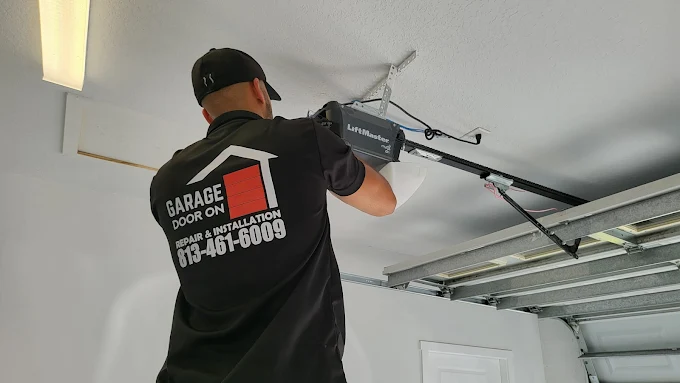
Test the Door’s Balance
To determine if the problem is the opener or the door itself, you must disconnect the two.
-
Close the door completely.
-
Pull the red emergency release cord to disconnect the trolley.
-
Lift the door manually by hand. It should move smoothly and stay open around waist height without you holding it.
-
If the door slams down or is incredibly heavy to lift, your springs are worn or broken.
-
If the door slides up easily by hand but the motor couldn’t lift it, the issue is likely with the opener unit.
Adjust the Travel and Force Limits
Every opener has “Force” and “Travel” settings.
-
Travel Limits: Tell the motor how far up to go. If these settings have drifted, the motor might think “halfway up” is actually “fully open.”
-
Force Limits: Tell the motor how much power to use. If your door has aged and gotten slightly heavier due to moisture or friction, the old force setting might be too low to lift it. Increasing the “Up Force” slightly can sometimes resolve the issue.
Get Professional Support
If adjusting the settings doesn’t work, or if the door fails the balance test, it is time to call in experts. Continued use of a malfunctioning door can strip the gears in your opener or cause the door to come off the tracks completely.
How to Fix a Garage Door That’s Not Opening All the Way
If you have ruled out broken springs, there are several maintenance tasks you can perform that might resolve the issue.
Check the Garage Door Opener
Sometimes the issue is simple. Is the “Vacation Lock” switch engaged on the wall console? This feature prevents the door from opening via remote. Additionally, check the trolley carriage. If the plastic gears inside the motor unit are stripped (you might see white shavings on the floor), the motor will hum, but the chain won’t move the door.
Reset Garage Door Limits
Over time, vibration can cause the limit switch dials to move. Locate the limit adjustment screws on the side or back of the motor unit. Turn the “Up” limit screw clockwise (usually) to increase the opening height. Make small adjustments—one full turn equals about two inches of travel. Test the door after each adjustment.
Lubricate Moving Parts
Friction is the enemy of your garage door opener. If the rollers are seizing up, the opener has to work harder. Apply a high-quality silicone-based lubricant to the rollers, hinges, and bearing plates. Do not use grease on the tracks, as this attracts dirt and creates a sticky grit that stops the door.
When to Call Garage Door Repair Services Near You
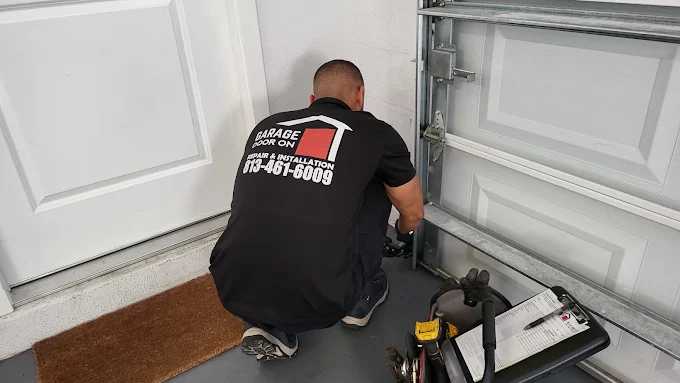
While DIY troubleshooting is helpful, certain components of your garage door system are dangerous to work on without proper training and tools.
Broken or Worn Tension Springs
Replacing a torsion spring requires winding bars and specific knowledge of tension loads. One slip can result in broken bones or severe facial injuries. If your springs are the culprit, always hire a professional.
Severe Track Misalignment or Damage
If the vertical track is bent or pulling away from the wall, simply hammering it back can compromise the structural integrity of the door system. A professional can realign the tracks to ensure the door seals properly and travels smoothly.
Motor or Opener Issues
If the logic board has failed or the internal gears are stripped, repairing the unit might cost almost as much as a replacement. A technician can advise you on whether a repair is feasible or if upgrading to a modern, smart opener is a better investment.
Preventive Maintenance for Garage Doors: Tips to Avoid Future Issues
The best way to fix a stuck door is to prevent it from getting stuck in the first place. A simple maintenance routine can extend the life of your system by years.
Regularly Clean and Align Sensors
Wipe the photo-eye lenses with a soft cloth to remove dust and spiderwebs. Check the green and amber indicator lights to ensure they are solid and not flickering, which indicates misalignment.
Lubricate Moving Parts Annually
Set a reminder to spray your hinges, rollers, and springs once a year. This keeps the operation quiet and reduces the strain on the opener.
Inspect Springs, Cables, and Tracks
Visually inspect the lift cables for fraying. Check the tracks for rust or debris. Listen to the door—if it starts making new grinding or squeaking noises, investigate immediately rather than waiting for failure.
Get Professional Help for Garage Door Issues
If you have tried the troubleshooting steps and your door still refuses to open fully, do not force it. Forcing the door can cause cables to snap or the door to fall. At Garage Door On, we specialize in diagnosing these specific issues. Whether it is a logic board error, a snapped spring, or a simple limit switch adjustment, our team can get your door moving again quickly and safely.

Frequently Asked Questions About Top Causes and Easy Fixes
Why won’t my garage door open all the way?
The most common reasons are broken springs, stripped gears in the opener, incorrect travel limit settings, or an object blocking the track.
How do I fix a garage door that only opens halfway?
First, perform the manual balance test to check the springs. If the door is balanced, try increasing the “Up” travel limit on the opener unit. If it still stops, check for binding rollers or bent tracks.
Why does my garage door open partially and stop?
This is usually the safety force limit tripping. The opener detects resistance (from a bad roller or lack of lubrication) and stops to prevent damage. Lubricating the door and adjusting the force sensitivity often fixes this.
Can I repair a broken garage door spring on my own?
No. Springs are under extreme tension and are the most dangerous part of the door. Replacement requires specialized tools and training.
How can I maintain my garage door to avoid future problems?
Perform a monthly visual inspection, lubricate metal parts annually with silicone spray, and keep the tracks clean of debris.
Contact Your Local Garage Door Pros
Don’t let a stuck door disrupt your day. If you need assistance with travel limits, spring replacement, or general maintenance, contact Garage Door On today for expert service.