
Your garage door is likely the largest moving object in your home. For many families, it serves as the primary entrance, opening and closing thousands of times a year. Despite this heavy workload, it is often the most overlooked component of home maintenance until something goes wrong. A malfunctioning door can trap your car inside, compromise your home’s security, or lead to expensive emergency repairs.
To help you avoid these headaches, we have compiled a comprehensive list of garage door tips designed to keep your system running smoothly, safely, and quietly. Whether you are a DIY enthusiast or simply a homeowner looking to protect your investment, these insights will help you extend the life of your door.
Tip #1: Inspect the Door and Listen for Issues
The first line of defense in garage door maintenance is observation. You do not need to be a mechanic to notice when something is off. Make it a habit to observe the door every time you use it.
Visual and Auditory Checks
Stand inside the garage with the door closed and look over the metal tracks, springs, cables, rollers, and pulleys. You are looking for signs of wear, such as fraying cables or rust. Next, operate the door and listen. Is it making a grinding noise? Does it sound like metal is scraping against metal? A quiet door is a healthy door. If you hear popping, screeching, or rattling, the door is telling you it needs attention.

Tip #2: Examine and Tighten Garage Door Hardware
The average garage door moves up and down over 1,000 times a year. This creates a significant amount of vibration, which can slowly loosen the nuts and bolts that hold the hardware together.
Action Step
Grab a socket wrench and tighten the roller brackets and bolts that hold the rails to the support brackets. Be careful not to overtighten, but ensure everything is snug.
Warning: Never loosen the bottom brackets connected to the lift cables, as these are under extreme tension and can cause severe injury.
Tip #3: Lubricate Moving Parts
Friction is the enemy of your garage door system. One of the simplest and most effective garage door tips is to keep the moving parts properly lubricated. This takes only 10 minutes but can add years to the life of the system.
What to Use: Avoid WD-40, as it is a degreaser and can actually strip away existing lubrication and attract dust. Instead, use a silicone-based spray or white lithium grease specifically designed for garage doors.
Where to Apply:
-
Springs: Coat the overhead torsion springs to reduce friction between the coils.
-
Rollers: If you have metal rollers, lubricate the ball bearings. (Do not lubricate nylon rollers).
-
Hinges: Spray the pivot points where the door panels fold.
-
Tracks: Do not lubricate the tracks. This can cause the rollers to slip rather than roll. Simply wipe the tracks clean with a damp cloth.
Tip #4: Quiet a Noisy Door
If your garage door wakes the neighbors every time it opens, it is time to address the noise. While lubrication helps, the noise often comes from worn-out components.
Upgrade Your Rollers
Standard metal rollers can be noisy. Upgrading to nylon rollers with ball bearings is one of the best investments you can make. They are significantly quieter and do not require lubrication.
Check the Opener
If the noise is coming from the motor unit, check your drive system. Chain drives are naturally louder than belt drives. If you have a chain drive, ensure the chain isn’t slapping against the rail. If silence is a priority, consider upgrading to a belt-drive opener.

Tip #5: Check and Replace Weatherstripping
Your garage door plays a huge role in your home’s energy efficiency, especially in Florida where keeping the heat out is a priority.
Service the Seals
Check the rubber weather seal strip along the bottom of the door. If it is brittle, cracked, or showing gaps, water and pests can easily enter your garage. Replace this seal immediately to maintain a clean and dry environment. Additionally, check the perimeter weatherstripping on the sides and top of the door frame. If you see light coming through the edges when the door is closed, your energy bills are likely higher than they need to be.
Tip #6: Fix a Stuck or Uneven Door
If your door stops halfway or looks crooked, it is often a balance or track issue.
Clean the Tracks
Debris, leaves, and old grease can build up in the tracks, causing the rollers to stick. Wipe the inside of the tracks with a rag and brake cleaner to ensure a smooth path.
Check the Balance
A properly balanced door should be easy to lift manually. Disconnect the opener by pulling the red release cord. Lift the door halfway up and let go. It should hover in place. If it slams down, the springs are worn out. If it flies up, the springs are under too much tension. In either case, this puts strain on the opener motor and requires professional adjustment.
Tip #7: Perform Safety Tests
Safety should never be compromised. Modern garage doors are equipped with two main safety mechanisms that must be tested regularly.
The Mechanical Reversal Test
Place a piece of wood, like a 2×4, flat on the floor in the center of the door opening. Close the door using the remote. When the door touches the wood, it should automatically reverse direction and open. If it rests on the wood or pushes hard against it, the force settings on your opener need adjustment.
The Photo-Eye Test
Your door has two sensors near the floor. Start closing the door and wave a broomstick across the path of the sensors. The door should immediately stop and reverse. If it keeps closing, clean the sensor lenses and check for wire damage.
Tip #8: Service the Chain or Belt
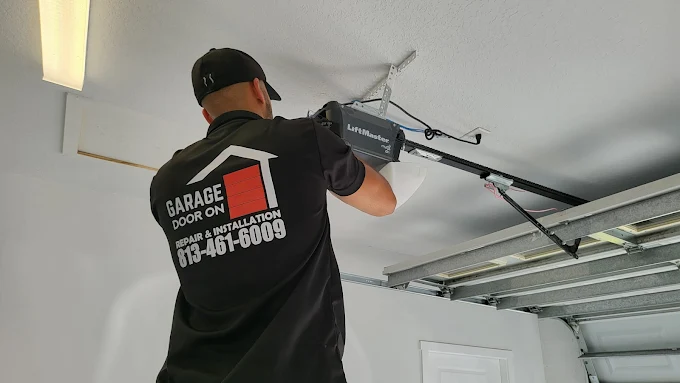
The chain or belt is what connects the motor to the door. Over time, these can stretch. Inspect the rail to see if the chain is sagging excessively. If it is hanging lower than the rail, it risks getting caught or slapping against the metal. Refer to your owner’s manual to tighten the tension nut on the trolley, but be careful not to overtighten, as this can wear out the gear assembly.
Tip #9: Clean the Garage Door Surface
Aesthetics matter. Your garage door takes up a large portion of your home’s facade, and keeping it clean boosts curb appeal and prevents corrosion.
Protect the Finish
Steel doors can rust if salt and dirt are allowed to sit on the surface. Wash your door periodically with a mild detergent (like car wash soap) and water. Avoid abrasive sponges that can scratch the paint. If you have a wood door, check for peeling paint or water damage annually and refinish as needed to prevent rot.
Avoid Damage to the Panels
Teach children that the garage door is not a wall for bouncing baseballs or hockey pucks. Dents in the panels are not just cosmetic; they can affect how the sections fold and interact with the tracks.
Tip #10: Upgrade to a Smart Garage Door Opener
If you are still using an opener from the 1990s, you are missing out on significant security features. Modern “smart” openers connect to your home Wi-Fi and allow you to control the door from your smartphone.
Benefits include:
-
Getting alerts when the door is opened.
-
Checking if you forgot to close the door from miles away.
-
Granting temporary access to dog walkers or delivery drivers.
-
Battery backup systems that work even when the power goes out.
Tip #11: Reinforce for Storm Protection
In storm-prone areas, the garage door is a critical part of the home’s structural envelope. If a garage door fails during a hurricane, the pressure change can blow the roof off the house.
Ensure your door is wind-load rated. If you have an older door, consider installing a bracing kit or upgrading to a reinforced hurricane-ready door. This not only protects your home but may also lower your insurance premiums.

Tip #12: Give Your Garage Door a DIY Makeover
If your door functions well but looks tired, you don’t necessarily need to replace it.
-
Paint: A fresh coat of high-quality exterior latex paint can transform the look.
-
Hardware: Adding magnetic decorative hinges and handles can give a plain door a carriage-house look.
-
Faux Windows: Magnetic window panels can break up the monotony of a solid white door.
Tip #13: Establish a Regular Maintenance Routine
Consistency is key. Mark your calendar for a seasonal check-up.
-
Spring: Clean the tracks and wash the door.
-
Summer: Check weatherstripping and insulation.
-
Fall: Lubricate all moving parts.
-
Winter: Perform safety reversal tests.
Tip #14: Work with Your Local Expert
While many of these garage door tips are DIY-friendly, there are specific components that you should never touch.
The garage door springs (both torsion and extension) and the lift cables are under extreme tension. Attempting to repair or adjust these yourself can result in severe injury or property damage. If you have a broken spring, a snapped cable, or a door that has come off its tracks, call a professional technician immediately.
At Garage Door On, we specialize in keeping your door safe, functional, and beautiful. If you are unsure about performing maintenance yourself, or if you identify an issue that needs expert attention, contact us today for a comprehensive tune-up.